Phone: +4733378901
  Email: info@elephantny.com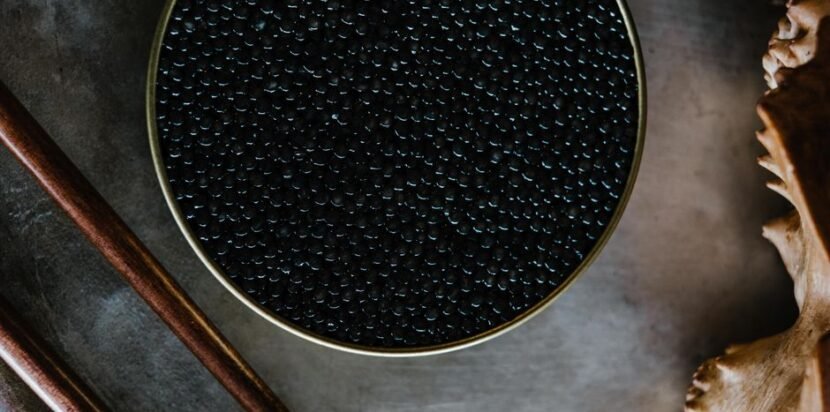
- Caspian Sea caviar imports have been restricted since early 2000s CITES regulations.
- New York’s Hudson Valley hosts sustainable sturgeon farms like Sterling and Acadian.
- Local caviar now appears on menus at establishments such as Caviar West Village.
The origins of luxury caviar in New York City trace a journey from the Caspian Sea to the banks of the Hudson River. For much of the twentieth century, the world’s most prized sturgeon roe flowed westward from Russia and Iran, its scarcity perpetuating a mythos of exclusivity in Manhattan’s dining rooms. However, international trade limits imposed by the Convention on International Trade in Endangered Species (CITES) in the early 2000s forced both chefs and diners to look closer to home.
American aquaculture has since filled the void, with New York’s own Hudson Valley emerging as a quiet powerhouse. Producers such as Sterling Caviar—though founded in California, with robust East Coast distribution—and locally based ventures like Acadian Sturgeon are breeding Siberian and native species under rigorously controlled conditions. These operations combine precise water management with sustainable feed and harvest practices, producing caviar of remarkable freshness. The result is a product that can be on a Manhattan table mere days after harvest, radically reducing transport time compared to transoceanic imports.
Fine dining restaurants across Manhattan, including Caviar West Village at 215 W 10th Street, have embraced these domestic offerings. Chefs praise the clean, nuanced salinity and consistent bead of New York caviar, qualities that rival its Eurasian predecessors. For discerning New Yorkers, this means the luxury of caviar now comes with a local provenance and a lighter environmental footprint, aligning with a broader movement toward transparency and sustainability in the food world.
Frequently Asked Questions
What types of sturgeon are raised for caviar in New York?
New York caviar producers typically raise Siberian sturgeon (Acipenser baerii) and white sturgeon (Acipenser transmontanus), as both adapt well to recirculating aquaculture systems. These species yield roe with flavor and texture profiles similar to traditional Caspian varieties.
How does local caviar compare to imported Caspian caviar?
Hudson Valley and other domestic caviars are fresher upon delivery and often exhibit a pleasing, clean salinity and subtle nuttiness. While Caspian caviar can still set the gold standard for certain palates, leading NYC chefs increasingly use local options without compromise on quality or luxury.
Where can I try New York-produced caviar in Manhattan?
Several fine dining establishments now feature domestic caviar, including Caviar West Village in the West Village, as well as select tasting menus across Midtown and the Lower East Side. Call ahead to confirm current offerings and provenance.
Frequently Asked Questions
What types of sturgeon are raised for caviar in New York?
New York caviar producers typically raise Siberian sturgeon (Acipenser baerii) and white sturgeon (Acipenser transmontanus), as both adapt well to recirculating aquaculture systems.
How does local Hudson Valley caviar compare to imported Caspian caviar?
Hudson Valley and other domestic caviars are fresher upon delivery and often exhibit a clean salinity and subtle nuttiness, with quality that leading NYC chefs consider comparable to imported Caspian caviar.
Why did New York restaurants start using local caviar instead of Caspian caviar?
Imports of Caspian Sea caviar have been restricted since early 2000s CITES regulations, prompting New York restaurants to source caviar from local Hudson Valley sturgeon farms.
Which New York restaurants serve locally produced caviar?
Restaurants such as Caviar West Village at 215 W 10th Street and select tasting menus across Midtown and the Lower East Side feature domestic caviar; it’s best to call ahead to confirm current offerings.
How is New York caviar produced sustainably?
Producers in the Hudson Valley use rigorously controlled conditions, including precise water management and sustainable feed and harvest practices, to ensure environmentally responsible caviar production.
Frequently Asked Questions
Why are New York restaurants serving more local caviar instead of Caspian imports?
Since the early 2000s, CITES regulations have restricted Caspian Sea caviar imports, prompting New York restaurants to source caviar from local Hudson Valley sturgeon farms.
Which sturgeon species are raised by New York caviar producers?
New York producers typically raise Siberian and white sturgeon for caviar.
How does local Hudson Valley caviar compare in freshness to imported caviar?
Local caviar can reach Manhattan tables within days of harvest, offering superior freshness compared to transoceanic imports.
What are some Hudson Valley farms supplying caviar to NYC restaurants?
Hudson Valley farms like Sterling and Acadian produce sustainable caviar for New York City restaurants.
Which NYC restaurant is mentioned as serving New York-produced caviar?
Caviar West Village at 215 W 10th Street is one of several NYC restaurants serving New York-produced caviar.