Phone: +4733378901
  Email: info@elephantny.com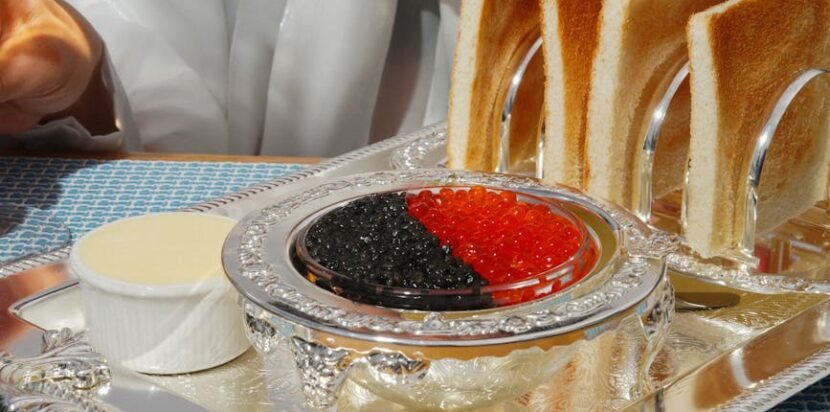
- New York-based sustainable sturgeon farms began contributing caviar to local restaurants in early 2020.
- Leading fine dining venues in Manhattan and the West Village now feature certified sustainable caviar options.
- Sustainable caviar production reduces pressure on wild sturgeon stocks, supporting conservation efforts.
Sustainable caviar production is reshaping New York City’s luxury dining landscape by aligning ethical sourcing with impeccable quality. Aquaculture farms located in the Northeast, including emerging operations supplying Manhattan, have refined sturgeon breeding and harvesting methods that honor both the environment and gastronomic tradition. Unlike wild-caught sturgeon, farmed sturgeon are raised under controlled conditions that minimize ecosystem disruption while maintaining the nuanced flavor profiles prized by connoisseurs.
Aquaculture’s rise answers a critical question: how can fine dining maintain caviar’s exclusivity amid dwindling wild sturgeon populations? Organizations like the Sturgeon Aquaculture Alliance have worked closely with New York City’s top chefs and purveyors, including those at Caviar West Village, to certify caviar that meets rigorous sustainability standards. These partnerships ensure traceability from pond to plate, allowing diners to enjoy the delicate brininess and textural complexity of caviar without contributing to overfishing.
The chemistry of pairing sustainable caviar remains a refined art. Sommelier-led tastings in the city have demonstrated that responsibly farmed caviar harmonizes beautifully with traditional accompaniments—chilled vodka, dry Champagne, and crème fraîche—while also inspiring innovative pairings with local craft spirits and seasonal accompaniments. This flexibility underscores that sustainability and luxury are not mutually exclusive but complementary facets of a modern dining ritual.
As New York’s culinary scene embraces sustainable caviar, the social rituals surrounding its consumption evolve as well. Intimate tastings and educational events hosted by venues like Caviar West Village (215 W 10th Street) foster greater awareness of aquaculture’s role in preserving sturgeon species. These experiences invite diners to celebrate milestones with a conscience, enriching the meaning behind each pearl of caviar.
Frequently Asked Questions
What makes caviar sustainable?
Sustainable caviar comes from farmed sturgeon raised in controlled aquaculture environments that protect wild populations. These farms use best practices to minimize environmental impact, ensure animal welfare, and maintain high product quality. Certifications from organizations like the Sturgeon Aquaculture Alliance verify these standards.
How does sustainable caviar taste compared to wild caviar?
Farmed sustainable caviar closely mirrors the flavor and texture of wild varieties, offering the same buttery, briny notes with a clean finish. Advances in aquaculture techniques allow producers to replicate natural diets and water conditions, preserving the delicate qualities that define premium caviar.
Where can I try sustainable caviar in New York City?
Several fine dining establishments and specialty purveyors in Manhattan and the West Village offer sustainable caviar, including Caviar West Village at 215 W 10th Street. These venues emphasize transparency and quality, often featuring caviar from certified local farms alongside classic pairings.