Phone: +4733378901
  Email: info@elephantny.com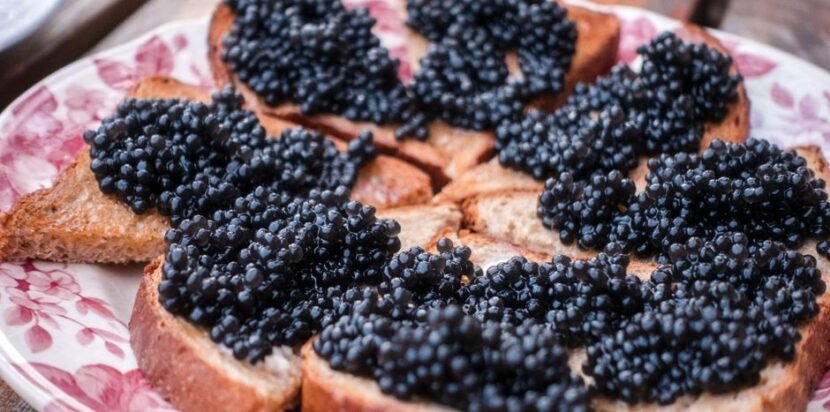
- In 2026, U.S. caviar consumption surpassed 200 metric tons, per NOAA data.
- Siberian, Kaluga, and Osetra are the most requested varieties in New York City.
- Most caviar served in NYC now comes from sustainable aquaculture, not wild sturgeon.
The origins of caviar have transformed dramatically in the past two decades, with sustainable aquaculture overtaking wild harvests due to international regulation and consumer demand. In 2026, a majority of the caviar arriving at fine New York establishments originates from certified farms in China, Italy, and the United States, where sturgeon are raised under strict environmental oversight. The result: a product that rivals wild Caspian roe for flavor and texture, without threatening endangered species.
New York’s caviar scene has become a locus for culinary trendsetting, with venues like Caviar West Village at 215 W 10th Street helping to define what luxury tastes like now. The city’s diners, notably more adventurous and informed than a generation ago, favor nuanced distinctions between Siberian, Osetra, and even lesser-known varieties like Baerii or Kaluga. Sommeliers and caviar curators field questions about brine salinity, roe size, and pairing chemistry that would have surprised their predecessors.
Perhaps most striking is the shift in social ritual. Traditional caviar service—mother-of-pearl spoons, blini, and vodka—still has its place in New York dining rooms, but today’s guests are as likely to match their roe with small-batch American sparkling wines or unexpected accoutrements, from yuzu gel to cultured butter. The caviar experience has expanded to intimate bars, late-night tastings, and even brunch, democratizing what was once a hermetic luxury.
The city’s palate in 2026 is not merely defined by wealth, but by its openness to origin stories, ethical sourcing, and the pleasures of nuanced taste. New York’s role as an arbiter of caviar luxury continues to ripple worldwide, influencing what is farmed, how it is served, and who gets to enjoy it.
Frequently Asked Questions
Where does most caviar in New York come from in 2026?
Most caviar served in New York restaurants now originates from aquaculture farms in China, Italy, and the United States. These sources are certified for sustainability and quality, ensuring a steady supply of premium roe while protecting wild sturgeon populations.
What types of caviar are most popular with New York diners?
The most popular caviar varieties in New York are Siberian, Kaluga, and Osetra, with growing interest in Baerii and hybrid sturgeon. Diners show increasing appreciation for subtle variations in taste, size, and brininess.
How are New Yorkers serving and pairing caviar differently now?
New Yorkers are pairing caviar with sparkling wines, creative condiments, and artisanal breads instead of just vodka and blini. Service has become more casual and varied, making caviar accessible at bars, brunches, and late-night menus alongside classic fine-dining rituals.
Frequently Asked Questions
Where does most caviar in New York come from in 2026?
Most caviar served in New York restaurants in 2026 comes from sustainable aquaculture farms in China, Italy, and the United States.
What are the most popular caviar varieties in New York City in 2026?
The most popular caviar varieties in New York City are Siberian, Kaluga, and Osetra.
How much caviar did the U.S. consume in 2026?
U.S. caviar consumption surpassed 200 metric tons in 2026, according to NOAA.
How are New York restaurants serving caviar differently in 2026?
Caviar in New York is increasingly paired with sparkling wines and creative condiments, moving beyond traditional vodka and blini service.
Why has sustainable aquaculture become the main source of caviar in New York?
Sustainable aquaculture has overtaken wild harvests due to international regulation and consumer demand, protecting wild sturgeon while providing high-quality roe.