Phone: +4733378901
  Email: info@elephantny.com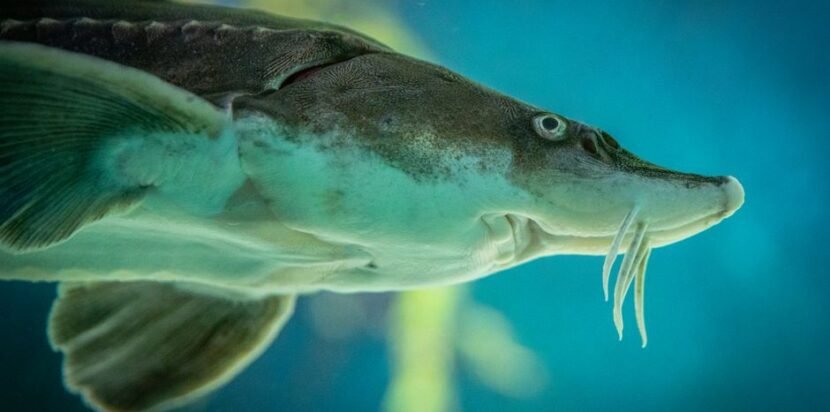

- The Caspian Sea once supplied over 90% of the world’s wild caviar.
- Modern caviar now largely comes from farmed sturgeon, due to strict international regulations.
- New York City is home to dozens of restaurants and bars serving premium caviar flights.
The journey of caviar onto New York plates begins in the cold, mineral-rich waters of the Caspian and Black Seas, where wild beluga, ossetra, and sevruga sturgeon reigned for centuries. By the late 20th century, overfishing and habitat loss led to an international outcry, prompting the 1998 listing of most sturgeon species on CITES, the global treaty regulating endangered species trade. These changes forced a reimagining of the caviar supply chain that now benefits discerning diners in places like the West Village.
Sustainable aquaculture is now the backbone of the modern caviar industry. Producers in Italy, France, China, and the United States—such as California’s Sterling Caviar and Florida’s Sturgeon Aquafarms—have refined techniques to replicate the Caspian’s conditions without ecological harm. These farms control water temperature, feed, and genetics, resulting in consistently high-quality roe while protecting wild sturgeon populations for future generations.
For New York City’s chefs and sommeliers, sourcing caviar has become an exercise in both ethics and artistry. At Caviar West Village (215 W 10th Street), the caviar menu is curated not only for flavor profile and texture, but also origin and environmental stewardship. Servers are trained to discuss nuances—from the creamy, nutty notes of Siberian sturgeon roe to the briny pop of traditional Kaluga hybrid—helping guests appreciate both the luxury and responsibility of caviar enjoyment.
Pairing caviar in New York reflects the city’s cosmopolitan palate. Beyond the classic Champagne or vodka, many West Village tables now see caviar accompanied by dry sherry, cold sake, or even carbonic maceration reds. caviar’s journey from endangered delicacy to sustainable staple is a story of global cooperation and local refinement—a narrative that continues to evolve each time a tin is opened in New York’s most discerning dining rooms.
Frequently Asked Questions
Is wild caviar still available in New York restaurants?
Virtually all caviar served in New York City today is farm-raised due to strict regulations on wild sturgeon. Wild caviar is highly restricted and rarely, if ever, appears on restaurant menus. Responsible venues prioritize caviar sourced from reputable aquaculture operations to ensure sustainability and legality.
What species of sturgeon produce the most sought-after caviar?
The most prized caviars come from beluga (Huso huso), ossetra (Acipenser gueldenstaedtii), and sevruga (Acipenser stellatus) sturgeon. In recent years, hybrids and other species like Siberian (Acipenser baerii) and Kaluga (Huso dauricus) are increasingly popular due to sustainability and farming success.
How should caviar be served for the best experience?
Caviar is best served chilled, ideally over ice in its tin, and enjoyed with non-metallic spoons (mother-of-pearl or horn). Purists recommend accompaniments such as blini, crème fraîche, or buttered toast, along with a clean, cold beverage—Champagne, vodka, or even dry sake enhance the delicate flavors without overwhelming the roe.
Frequently Asked Questions
Where does most caviar served in New York City come from today?
Most caviar served in New York City now comes from farm-raised sturgeon in countries like Italy, France, China, and the United States.
Why did caviar production shift away from the Caspian Sea?
Caviar production shifted away from the Caspian Sea due to overfishing, habitat loss, and international regulations that restricted the trade of wild sturgeon caviar.
What are the main sturgeon species used for premium caviar?
The main sturgeon species used for premium caviar are beluga, ossetra, sevruga, Siberian, and Kaluga.
Is wild caviar still served in New York restaurants?
Virtually all caviar served in New York City today is farm-raised, as wild caviar is highly restricted and rarely appears on restaurant menus.
How do modern caviar farms ensure sustainability?
Modern caviar farms control water temperature, feed, and genetics to produce high-quality roe while protecting wild sturgeon populations.