Phone: +4733378901
  Email: info@elephantny.com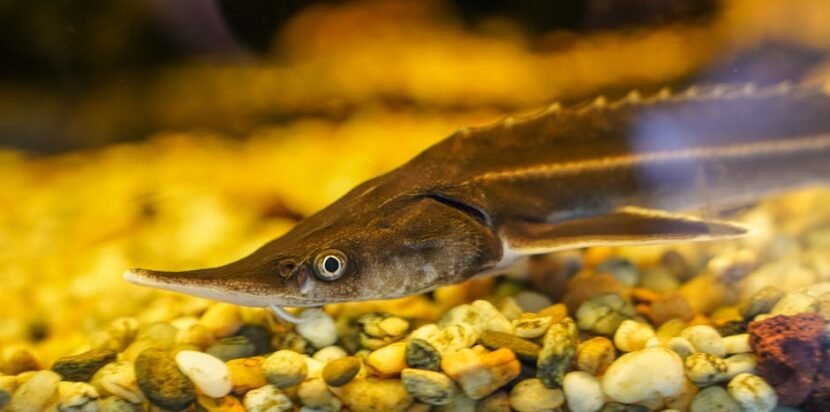
- Beluga sturgeon, prized for the largest caviar eggs, can live up to 100 years and are native to the Caspian Sea basin.
- Osetra caviar varies in color and flavor, harvested from Acipenser gueldenstaedtii, often farmed sustainably in Europe and the U.S.
- Sevruga caviar comes from smaller Acipenser sturio species, offering a more intense, briny flavor preferred by many connoisseurs.
Sturgeon species define the character and luxury of caviar enjoyed in New York City’s fine dining establishments. Beluga sturgeon (Huso huso), historically native to the Caspian and Black Seas, produce the largest and most delicate eggs, often described as buttery and subtle. Although wild Beluga populations have dwindled due to overfishing and habitat loss, aquaculture operations in Europe and North America have helped meet demand without further endangering the species.
Osetra sturgeon (Acipenser gueldenstaedtii) occupies a middle ground in both egg size and flavor profile. Known for their nutty, slightly fruity notes, Osetra caviar varies in color from deep brown to golden hues. Many New York purveyors source Osetra from sustainable farms in France, Italy, and increasingly from U.S. operations that emphasize environmental stewardship and traceability.
Sevruga sturgeon (Acipenser stellatus and Acipenser baerii) produce smaller, more intensely flavored eggs with a distinct brininess that appeals to seasoned caviar enthusiasts. The species’ quicker maturation cycle and adaptability to aquaculture settings make Sevruga caviar a more accessible luxury in the city’s restaurants and specialty shops.
Caviar West Village, located at 215 W 10th Street, exemplifies the sophisticated presentation and knowledge essential to appreciating these species. Their curated selection reflects global diversity and supports sustainable aquaculture practices, ensuring that each tin represents not only a culinary indulgence but a commitment to preservation.
Understanding the biological and ecological nuances of each sturgeon species enriches the caviar tasting experience in New York City. From egg size and texture to flavor profile and harvest methods, these details influence pairing choices and dining rituals that elevate milestone celebrations and refined evenings.
Frequently Asked Questions
What distinguishes Beluga caviar from other sturgeon species?
Beluga caviar features the largest eggs, often up to 4 millimeters, with a delicate, creamy texture and subtle flavor. It comes from the long-lived Huso huso sturgeon native to the Caspian Sea. Due to overfishing, Beluga caviar is rare and expensive, usually farmed under strict regulations to protect wild populations.
How does sustainable aquaculture impact caviar availability in NYC?
Sustainable aquaculture allows producers to raise sturgeon in controlled environments, reducing pressure on wild stocks. In New York City, many high-end retailers and restaurants source farmed caviar, ensuring consistent quality and traceability while supporting conservation efforts.
What are common flavor profiles of Osetra and Sevruga caviar?
Osetra caviar is known for its nutty, sometimes fruity flavor, with a firmer texture and colors ranging from golden to brown. Sevruga caviar has smaller eggs with a stronger, more briny taste, often preferred by those seeking a bolder caviar experience.