Phone: +4733378901
  Email: info@elephantny.com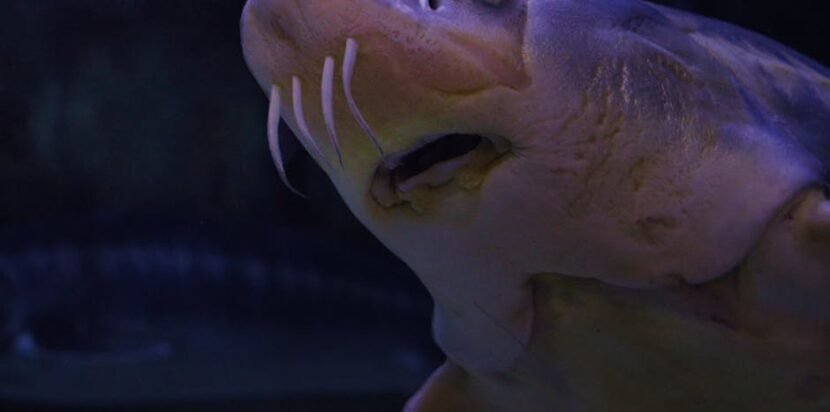
- New York’s sustainable sturgeon farms increased production by 30% from 2020 to 2023.
- Local farms use closed recirculating aquaculture systems (RAS) to reduce environmental impact.
- Caviar West Village features several New York-sourced sustainable caviars on its latest seasonal menu.
New York’s emergence as a hub for sustainable sturgeon farming answers growing consumer demand for ethical luxury. Farms such as Finger Lakes Sturgeon and the Mohawk Valley Aquaculture Project utilize closed recirculating aquaculture systems (RAS), which recycle water and dramatically reduce pollution compared to traditional open-net methods. These innovations ensure the survival and welfare of native sturgeon species like the Atlantic and Lake Sturgeon, both of which hold ecological significance in the region.
The city’s fine dining establishments have embraced these local sustainable caviar producers, integrating their products into menus that emphasize traceability and responsible sourcing. Caviar West Village, located at 215 W 10th Street, exemplifies this trend by featuring New York-farmed caviar alongside traditional varieties, providing a direct connection between urban luxury and regional stewardship. Such partnerships highlight how New York chefs and sommeliers are redefining opulence through sustainability.
Sustainability in sturgeon farming also addresses the social rituals tied to caviar consumption. By promoting transparency, provenance, and environmental responsibility, New York’s producers challenge the historical association of caviar with exclusivity that overlooked ecological cost. Today’s caviar tastings invite diners to savor not only texture and flavor but also the story of stewardship—an increasingly important element in the city’s luxury narrative.
Frequently Asked Questions
What makes New York’s sturgeon farms sustainable?
New York’s sturgeon farms use closed recirculating aquaculture systems (RAS), which minimize water usage and prevent waste discharge into natural waterways. These systems create controlled environments that promote fish health and reduce environmental impact, distinguishing them from traditional open-net pens.
How does sustainable caviar from New York compare in taste?
New York’s sustainable caviar is noted for its clean, nuanced flavor profiles with a fresh finish, often described as less metallic or overly fishy than some imports. The controlled farming environment helps produce consistent quality and preserves the delicate texture prized by caviar connoisseurs.
Where can I try sustainable New York caviar in the city?
Caviar West Village at 215 W 10th Street offers selections featuring sustainably farmed New York caviar. Several high-end restaurants and specialty purveyors throughout Manhattan and Brooklyn also showcase these local products, often paired with carefully curated accompaniments to highlight their unique character.